Quick Answer
How do I make Afro House music?
A practical setup is a DAW, legally licensed or self-recorded sounds, and reference tracks. Try a tempo near 122 BPM, develop an interlocking groove, then add bass and melodic parts while leaving space in the arrangement. These are starting points, not rules for cultural or musical authenticity.
For faster setup, pair this page with the Afro House BPM guide and our sample pack checklist.
Quick Start: 6 Steps to Your First Track
Set Your Tempo
Try 122-124 BPM as a starting point, then adjust the tempo to fit the reference tracks and groove.
Build the Rhythm
Layer a four-on-the-floor kick with complementary percussion. Use syncopation and interlocking patterns without overcrowding the groove.
Add the Bassline
Use warm, rolling bass sounds. Keep it deep and driving, not overly complex.
Melodic Elements
Add kalimba, marimba, or piano chords. Use vocal chops for call-and-response patterns.
Build Atmosphere
Layer pads, risers, and ambient sounds. Create tension and release throughout the track.
Mix & Master
Balance levels, EQ to clarity, and add subtle compression. Reference against professional tracks.
Sample Libraries & Sounds
Get the sounds that define Afro House
Splice Sounds
Sample subscription with a large catalog of loops, one-shots, presets, and MIDI, including Afro House-tagged packs. License terms apply to downloaded sounds.

Unison Audio
Store selling MIDI packs, sample collections, and production tools, including products tagged for Afro House.

Plugin Boutique
Retailer for VST plugins, virtual instruments, and effects. Prices and promotions vary by product and date.
Loopmasters
Store selling complete sample packs, including products tagged for Afro House and percussion-focused production.
Why Splice for Afro House?
- Searchable Afro House-tagged sounds and packs
- Individual sounds can be auditioned before using credits
- Downloaded sounds can be used in new works, subject to Splice's license terms
- Rent-to-own plugins including Serum
The 778% figure describes activity on Splice, not the whole music market. Read the reported dataset.
Digital Audio Workstations
The software where you'll build your tracks
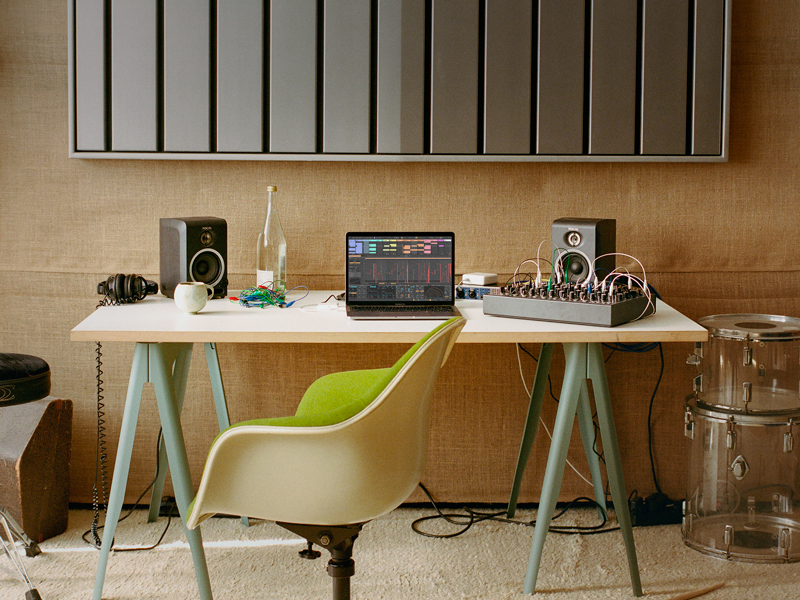
Ableton Live Suite
DAW whose Session View provides one workflow for sketching loops, arrangements, and live variations.

FL Studio All Plugins
DAW sold with Image-Line's lifetime free-updates policy; included plugins and features depend on the edition.
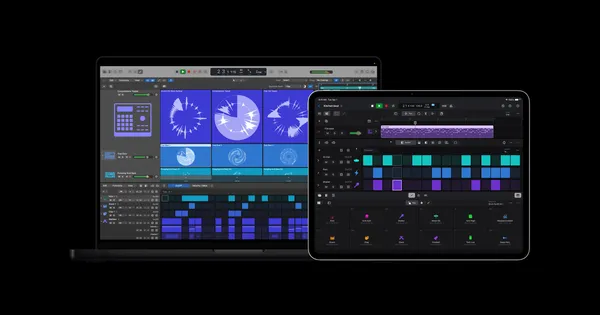
Logic Pro
Apple's Mac DAW with built-in instruments, effects, recording and arrangement tools.
Optional Plugins
Instruments and effects to shape your sound
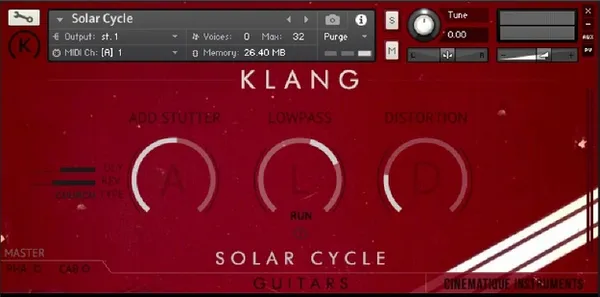
Native Instruments Komplete
Collection of instruments and effects that includes Kontakt-based products; the included products depend on the edition.
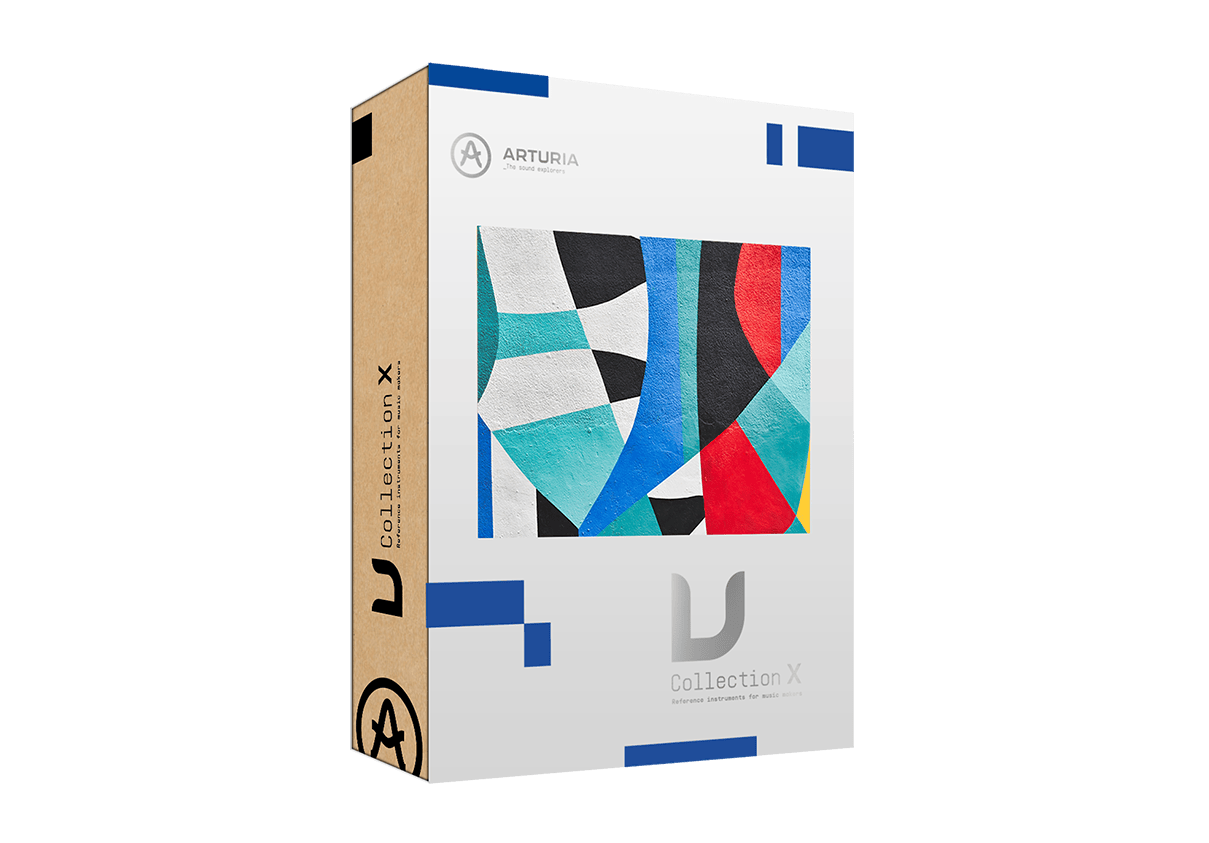
Arturia V Collection 11 Pro
Collection of software instruments based on synthesizers and keyboards; the included products are listed on Arturia's current V Collection 11 Pro page.
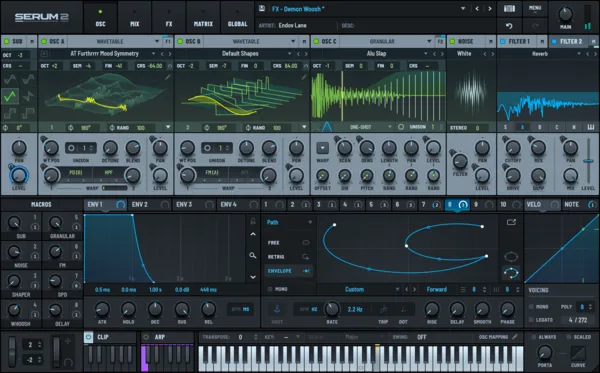
Serum by Xfer Records
Wavetable synthesizer for designing leads, basses, pads, and evolving textures.

FabFilter Pro-Q 4
Parametric EQ plugin for mixing and mastering workflows; it is optional rather than required for Afro House production.
Explore AI Music Creation
Compare what tools such as Udio and Suno can currently do, along with their changing export, licensing, and commercial-use conditions.
Explore AI Music ToolsNeed DJ Equipment Too?
Compare controllers, media players, mixers, and headphones by workflow and published specifications.
Frequently Asked Questions
How do I start making Afro House music?
Start with a DAW (Ableton Live, FL Studio, or Logic Pro), choose legally licensed percussion and melodic sounds, and study the structure of tracks from artists such as Black Coffee and Da Capo. A useful exercise is to build an interlocking drum pattern first, then test how bass and melodic parts leave space around it.
What samples do I need for Afro House?
There is no mandatory sample list. Depending on the track, producers may use shakers, hand drums, tuned percussion, recorded voices, synthesizers, and a house kick. Check every pack's license and avoid labels such as “tribal” when the source or culture is not identified.
What BPM should Afro House be?
Many Afro House releases sit roughly between 120 and 128 BPM, with 122–125 BPM a useful working range rather than a genre test. Afro Tech is often faster and some Afro House is slower, but the retailer tags overlap and neither has an official tempo boundary.
What's the difference between Splice and Loopmasters?
Splice offers subscription plans with credits for individual sounds, while Loopmasters sells complete packs and also operates Loopcloud plans. Prices, included credits and license terms change; compare the current product and license pages for the way you intend to use each sound.
Do I need expensive plugins to make Afro House?
No. Many DAWs include capable instruments and effects. Learn those first, then add a paid sample library or plugin only when it solves a specific limitation in your workflow. Serum and FabFilter are options, not requirements.